
Environmental Drilling
Environmental drilling helps project teams understand what’s happening below the surface before making environmental or development decisions. At Seaboard Drilling, LLC, we support these investigations by assisting with the collection of soil, bedrock, and groundwater samples so environmental professionals can assess site conditions.
Our team uses a variety of drilling methods to retrieve samples and install monitoring wells that allow clients to collect ongoing groundwater data. These services give environmental consultants the subsurface information they need to evaluate potential contamination and plan appropriate next steps.
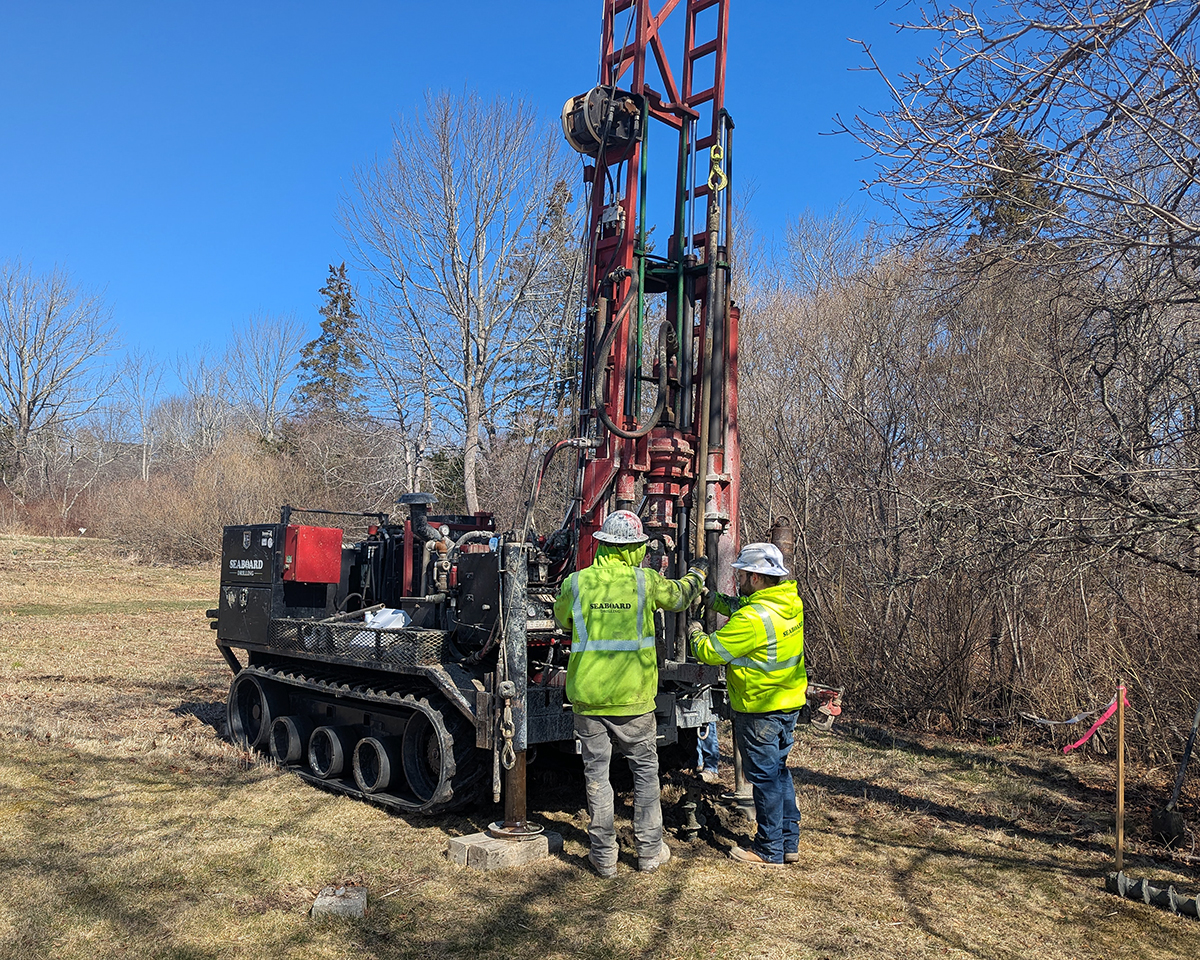
When Environmental Drilling Is Needed
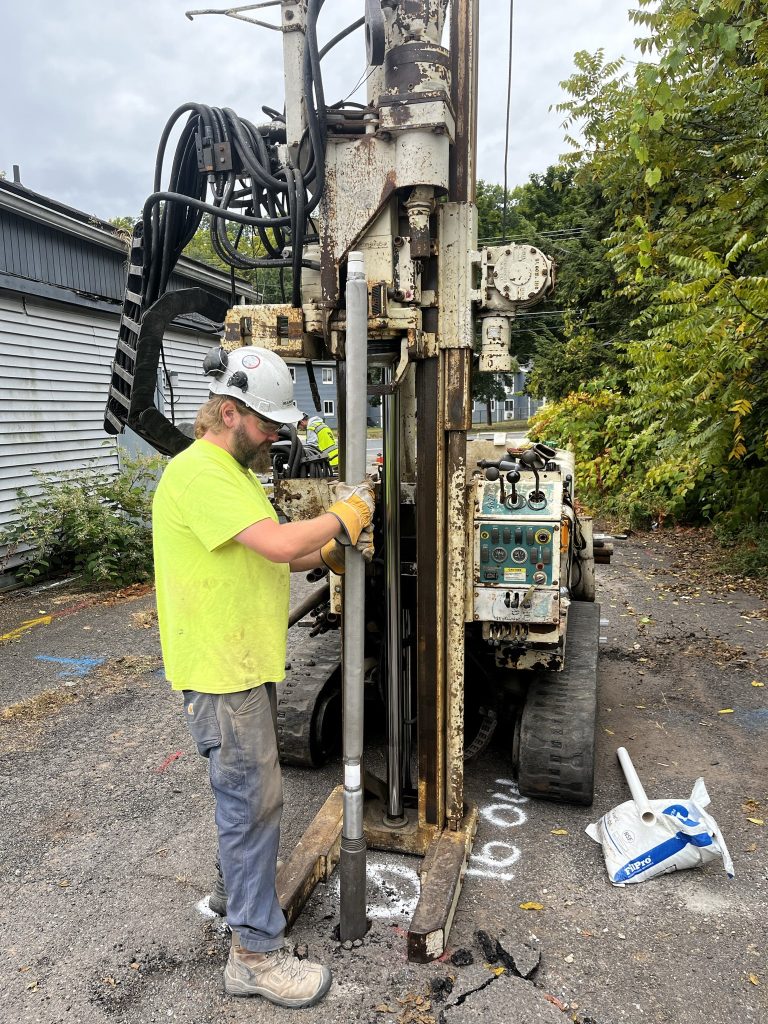
Environmental drilling is frequently used during property transfers, when project teams need subsurface information to understand existing soil or groundwater conditions before a sale moves forward. Drilling is also used when there is known or suspected contamination, helping environmental professionals collect the samples they need to assess the extent of impacts.
In addition to initial investigations, environmental drilling supports long‑term site management. Monitoring wells allow teams to track groundwater conditions over time, especially on sites undergoing remediation or continued environmental oversight.
How Monitoring Wells Are Used
Monitoring wells are often installed as part of environmental drilling projects so consultants can access and sample groundwater over time. To install a well, slotted PVC pipe is placed in a borehole and backfilled with sand.
Once installed, the well remains in place so environmental professionals can return periodically to collect groundwater samples and observe how conditions change, such as water levels or potential contamination. This long‑term access helps support ongoing environmental assessments and site management.
Environmental Drilling Capabilities
The following are the environmental services that we provide:
- Drilling Techniques:
- Hollow Stem Auger
- Mud Rotary
- Air Rotary
- Direct Push
- Rock Coring: NQ and HQ
- Continuous split spoon sampling
- Wireline Coring
- Monitoring Well Installation up to 4″
- Recovery Well Installation up to 4″
- Nested and Cluster well installation
- Vapor Extraction Wells
- Sparge Point Installation
- Well Abandonment and Decommissioning
- Low Clearance Drilling
- Undisturbed Sampling
- Test Pits
What Seaboard Drilling Offers
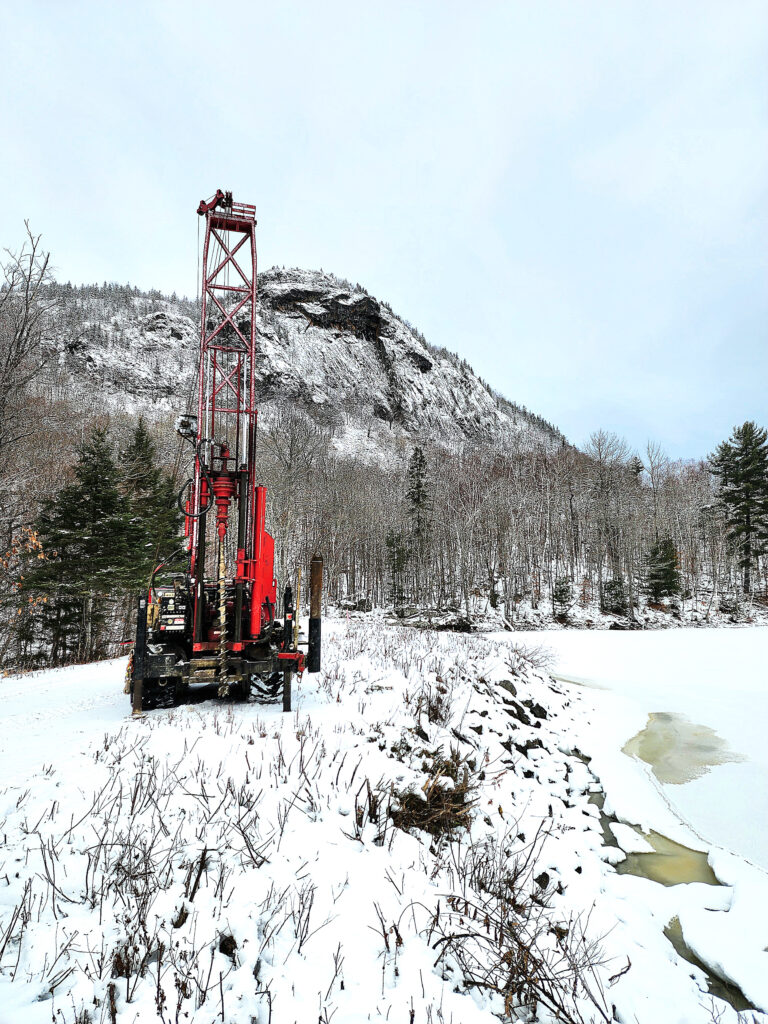
Our 40‑hour HAZWOPER‑trained personnel and versatile drilling equipment allow us to work safely in active, sensitive, or hard‑to‑reach environments. We collaborate closely with project teams to select appropriate equipment and coordinate site activities. Our team brings a professional, safety‑focused approach to each project, and we are licensed to operate throughout New England.
Want to Learn More?
Contact us to learn more about our environmental drilling services or use our online form to request services.
Frequently Asked Questions
Environmental drilling provides soil, bedrock, and groundwater information that helps environmental professionals assess subsurface conditions. These details support decisions related to site characterization, property transfers, and evaluating potential contamination.
Environmental drilling is commonly used during property transactions to document existing subsurface conditions. It is also used when contamination is known or suspected, helping project teams collect the samples needed to understand the extent of impacts and plan next steps.
Monitoring wells offer long‑term access to groundwater so environmental professionals can collect samples and observe changing conditions over time, such as groundwater levels or potential contamination. This supports ongoing environmental assessments, remediation activities, and long‑term site management.